By
•
Saisri Pinnam
20 February 2026
•
10 min read


If you spend enough time in leadership roles, you begin to notice a pattern. Some moments really do call for quick action. But many of the mistakes that stay with us the longest happen when we react before we’ve had time to think. And in today’s work culture, leaders are often expected to respond instantly, especially under pressure.
Yet the leaders who consistently make sound judgments and build lasting trust are rarely operating from urgency alone.They have learned to slow themselves down before they step forward. Experience, and increasingly neuroscience, points to a simple truth: the quality of leadership depends less on how fast someone reacts and more on how steady and regulated they are while responding.
This deliberate slowing is not hesitation or indecision, it is a form of discipline. It is what can be called the Pause Principle.
When pressure rises, the brain naturally shifts into a threat-mode. The amygdala activates survival responses that prioritize speed and self-protection over reasoning. Research shows that during stress, activity in the prefrontal cortex, responsible for judgment, impulse control, and complex thinking, decreases.
For leaders, this creates a paradox. The moment that demands clarity is the moment when clarity is least accessible.
A brief pause helps reset the nervous system and restores cognitive control. With even a few seconds of regulation, leaders regain perspective and make decisions based on discernment rather than defense.
When the inner state is calm, the outer response becomes wise. Without this reset, leadership becomes reaction wearing authority.
The pause is self regulation made visible. It creates space between stimulus and response and returns choice to the leader.
In that space, leaders are able to:
This does not slow performance. . In most cases, it improves precision and reduces the kind of avoidable mistakes that cost time, trust, and energy later.
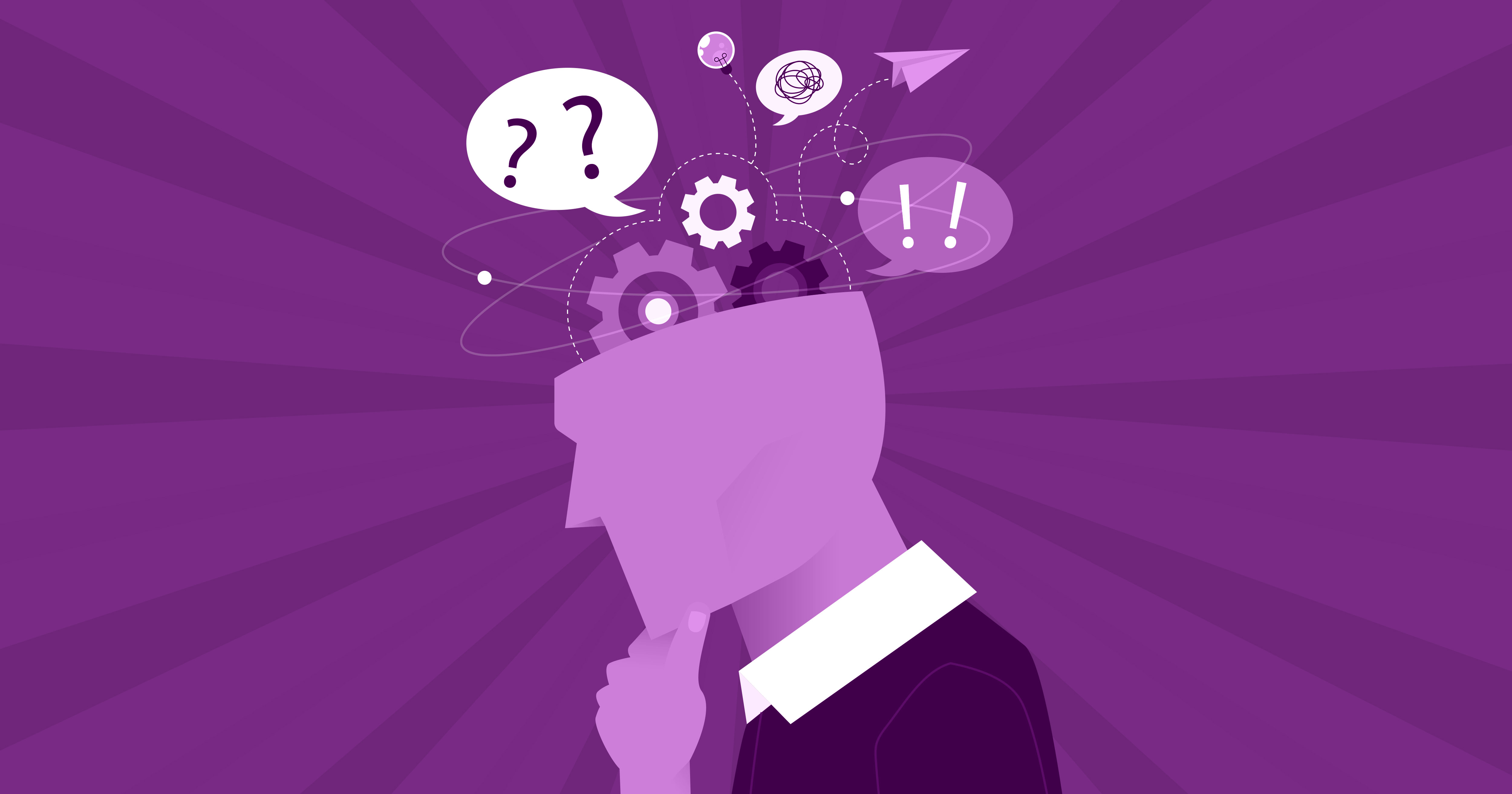
Many instant reactions often come from the ego protecting identity. Feedback can start to feel personal, disagreement can feel threatening, and the reflex is often to defend, justify, or assert control. While these responses are human, they tend to shut down learning and weaken trust over time.
Pausing softens that reflex. It allows curiosity to replace defensiveness. Leaders begin to ask better questions, listen more carefully, and understand context before judgment. This shift transforms conflict into growth and makes teams more open and honest.
Growth-oriented leadership often begins with this quiet moment of restraint.
Leadership is emotional as much as operational. Studies on emotional contagion show that people unconsciously mirror the emotional state of authority figures. A tense leader spreads tension. An agitated leader spreads anxiety.
The pause acts as a buffer in these moments. It helps prevent unprocessed emotions from spilling into conversations and decisions.
By regulating first, leaders:
Over time, this kind of composure becomes a cultural advantage, not just a personal trait.
Pressure has a way of narrowing attention. When everything feels urgent, leaders can end up reacting to isolated events without seeing the broader patterns behind them, which often leads to quick fixes rather than durable solutions. Pausing widens perspective. It allows leaders to step back, recognize patterns, and address root causes instead of symptoms alone.
Better thinking almost always requires a bit of mental space, and the pause is often what creates that space.
Many leadership regrets can be traced back to moments of haste, when words were sharper than intended or decisions were made before values had a chance to catch up. Over time, these small misalignments erode both trust and self-respect.
A short pause offers a simple but powerful checkpoint: does this response reflect the kind of leader I intend to be? Consistent alignment between values and behaviour is not built in grand gestures, but in these small, deliberate choices. Trust, in the end, is built here.

At its core, the Pause Principle is about self-leadership. Before leaders can effectively guide others, they have to be able to regulate themselves. In practice, this does not require anything dramatic. It might be a breath before responding to a difficult message, a moment of silence before addressing conflict, or a short walk before making a major decision.
Leadership is rarely defined by how quickly someone moves, but by the steadiness and judgment behind each step. Great leaders understand that slowing down is not a loss of momentum. It is how they ensure that every step forward is deliberate, aligned, and worthy of the responsibility they carry.


